Pesticide Applicator Trainings

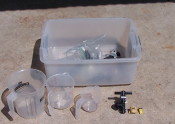
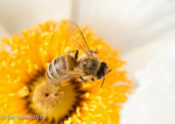
TWO EVENTS   December 1, 2016 (5 pesticide CEUs: 1 Laws & Regulations; 1 IPM and 3 general) Weed Control in Pastures and Hay Meadows (2 hours) Getting the Most out of Your Sprayer Equipment Beef Cattle External Parasite Control Records, Your Best PPE December 6, 2016 (5 Pesticide CEUs: 1 Laws & Regulations; 2 IPM and 2 general) Pesticides and Pollinators Mosquito Control Update Turfgrass Insect Pest Update Wild Pig Control in Urban Environments On Site Registration Cost: $35/person (includes lunch) Texas A&M AgriLife Research and Extension Center… Read More →
Rain, Rain Everywhere!

For the first time in a while, not a single county in Texas is in Extreme or Exceptional Drought conditions (according to the latest US Drought Monitor). All of this extra rainfall has been appreciated but has also been cursed by many crop and hay producers. So what does all this rainfall mean for our forages? Weeds have matured and multiplied due to inability to spray at appropriate times. Once fields are accessible and there is a window of opportunity be prepared to control weeds whether mechanically or… Read More →

The Sugarcane Aphid: A New Pest of Grain and Forage Sorghum (New Publication)

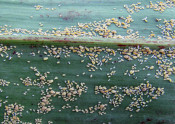
Entomologist from Texas A&M AgriLife Extension have just released a publication on the Sugarcane Aphid (SCA). This publication summarizes the latest information on biology, scouting, economic thresholds and insecticides for SCA control in grain and forage sorghum. We are still learning more about this new pest and this publication will be updated as new research becomes available. Website: Texas Sugarcane Aphid News Publication: SCA Management Guide        

Weed of the Week: Spiny Sow Thistle (Annual)

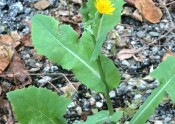
Many growers make no distinction at all between perennial and annual sow thistles. That’s because all three versions are tall weeds with yellow, dandelion-like flowers and stems that produce a milky sap. Seedlings of the two species(Sonchus asper & Sonchus oleraceus) are practically indistinguishable, and may be difficult to tell apart even at spray stage without examining the root system. Annual and perennial sow thistle will be covered in an upcoming post. Spiny Sow Thistle (Sonchus asper): An annual that has bluish-green leaves and stems that emit a… Read More →

Drought Lingers in Texas

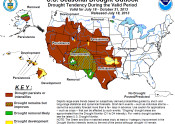
Parts of Texas enjoyed a fairly good spring, but since late May, there has been precious little rainfall occurring over much of the state.  A look at the most recent drought monitor map indicates about 88% of the state was in some form of drought and the long range forecast through October 31 indicates most of the state will remain under dry conditions.  If you are planning on wintering livestock, now is the time to locate and purchase any hay you will need.  Or, if you have opportunity… Read More →

Weed of the Week: Bullnettle

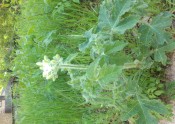
Texas Bullnettle (Cnidoscolus texanus) Bienniel/Perennial Usually 1.5 to 3 feet tall with multiple stems. If any part of the stem is broken, a milky sap appears.   The leaves are dark green and located alternately along the stems. Leaves are 2 to 4 inches long with stinging hairs.   The flowers, which appear from April through September, consist of 5 to 7 white, petallike sepals. Bullnettle is a very common plant found in all soil types. It is most common on sandy soils and disturbed areas. Bullnettle thrives in… Read More →

Correction on Weed of the Week: Annual & Perennial Sow Thistle

Chaparral is labeled for bermudagrass pastures and hay meadows. Chaparral can destroy bahiagrass.

Weed of the Week: Sow Thistle (Annual & Perennial)

Many growers make no distinction at all between perennial and annual sow thistles. That’s because all three versions are tall weeds with yellow, dandelion-like flowers and stems that produce a milky sap. Seedlings of the two species(Sonchus asper & Sonchus oleraceus) are practically indistinguishable, and may be difficult to tell apart even at spray stage without examining the root system. Spiny sow thistle was covered in the previous post. Annual Sow Thistle: (Sonchus oleraceus L.) Winter annual broadleaf plant. Inhabits agricultural land and other disturbed locations. Species are not easy to… Read More →

January: The beginning of a new year!

January not only marks a new year but it is also the beginning of winter pasture utilization. Because drought and cold weather can slow the growth of forages, livestock on winter pasture may need to be supplemented with hay. All East Texas regions: Use stockpiled bermudagrass/bahiagrass by mid-January. It may be possible to graze annual ryegrass at a low stocking rate if temperatures do not rise above 50°F at night and there is enough moisture for adequate forage growth. Pastures may be available for grazing from late December… Read More →

Private Pesticide Applicators License Renewal Time is Here

Winter is the time of year private pesticide applicator license renewals typically take place.  If you are short a few hours, be sure and check with your local county extension agent or surrounding agents.  County extension agents provide a number of programs this time of year designed to help producers get some last minute hours prior to renewal.  Many of the programs are multi-county and may provide up to eight hours of CEUs necessary for license renewal.